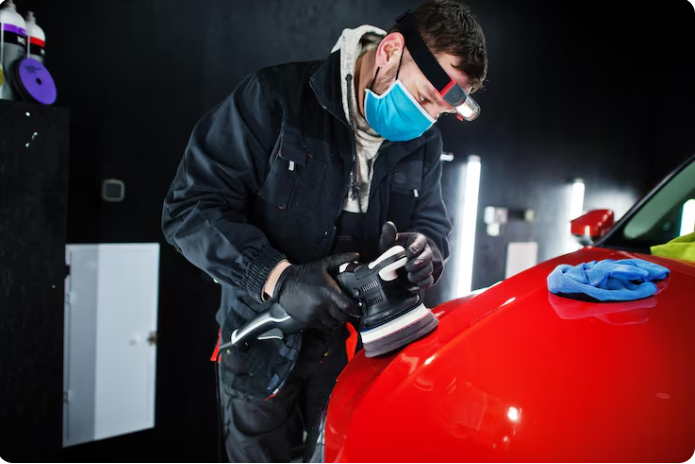
Car owners are constantly looking for effective ways to protect their vehicles while maintaining a clean, glossy appearance. Traditional waxing and frequent detailing can help, but these methods often require repeated applications and ongoing maintenance. Ceramic coating has emerged as a longer-lasting alternative. However, because professional ceramic coating can involve a significant upfront expense, many drivers naturally wonder about ceramic coating ROI and whether the benefits justify the cost.


What Is Ceramic Coating?
Ceramic coating is a liquid protective product applied to a vehicle’s exterior surfaces. Once properly applied and cured, it bonds with the paint and creates a protective layer over the clear coat.
Unlike conventional wax, which may wear away relatively quickly, quality ceramic coatings are designed to provide longer-term protection. Their durability varies considerably depending on the product, surface preparation, application quality, driving environment, and maintenance routine.
Ceramic coating does not make a vehicle completely resistant to scratches or damage. Instead, its main value comes from improving surface protection and making routine vehicle care easier.
Understanding Ceramic Coating ROI
Return on investment, or ROI, is usually associated with financial investments. In automotive care, however, the concept is broader. Ceramic coating ROI can include the money, time, and effort potentially saved over the coating’s useful life.
For example, an owner who frequently pays for waxing or professional detailing may find that a durable coating reduces the need for some of those services. The coating can also make dirt and contaminants easier to remove, potentially reducing the time required for routine washing.
The real return therefore depends heavily on how the vehicle is used and maintained.
Reduced Need for Frequent Waxing
One potential source of value is reduced dependence on traditional wax.
Vehicle wax needs periodic reapplication to maintain its protective and cosmetic benefits. Over several years, the combined cost of products, detailing appointments, and labor can become substantial.
A professionally installed ceramic coating generally requires a larger initial payment, but its longer service life may reduce the frequency of other paint-protection treatments.
When evaluating ceramic coating ROI, owners should compare the complete long-term cost rather than looking only at the initial coating price.
Easier Vehicle Maintenance
One of ceramic coating’s most practical advantages is its hydrophobic behavior. Water tends to bead and move off a properly coated surface more easily, while dirt and other contaminants may have greater difficulty adhering strongly to the paint.
This does not eliminate the need to wash the vehicle. A coated car still needs proper cleaning and maintenance.
However, washing can become easier, particularly for owners who regularly maintain their vehicles. Less time spent dealing with stubborn contamination can represent a meaningful return for someone who values convenience.
Protection From Environmental Contaminants
Vehicles are constantly exposed to environmental conditions that can affect their appearance. Road grime, bird droppings, tree sap, insects, mineral deposits, and ultraviolet exposure can all create maintenance challenges.
Ceramic coatings provide an additional barrier between these contaminants and the vehicle’s clear coat. This can make prompt cleaning easier and help preserve the appearance of the underlying paint.
The coating should not be viewed as indestructible protection. Bird droppings, water spots, chemicals, and other contaminants can still cause problems if they are neglected for extended periods.
Maintaining a Better Appearance
Appearance is another important part of the value calculation.
Ceramic coatings are popular because they can enhance gloss and give properly prepared paint a smooth, polished appearance. A vehicle that is easier to keep clean may also maintain that appearance more consistently.
This can be particularly valuable for luxury cars, enthusiast vehicles, commercial vehicles, or owners who simply place a high value on presentation.
Can Ceramic Coating Help Resale Value?
A ceramic coating should not be treated as a guaranteed way to increase a vehicle’s resale price. Numerous factors determine resale value, including mileage, mechanical condition, accident history, age, model demand, and overall cosmetic condition.
Nevertheless, maintaining the exterior properly can contribute to a better-presented vehicle when it is eventually sold or traded.
In this sense, the potential ROI comes less from the coating itself and more from how effectively it helps the owner preserve the vehicle’s condition.
Professional Application vs. DIY Coating
Cost plays a major role in determining ceramic coating ROI.
DIY products can reduce the initial expense, but proper surface preparation and application are important. Poor preparation can produce disappointing results and shorten the effective life of the coating.
Professional services typically cost more because the process may include washing, decontamination, paint correction, surface preparation, application, and controlled curing.
Owners should therefore compare not only prices but also the preparation process, coating product, warranty terms, installer experience, and recommended maintenance.
Who Gets the Most Value From Ceramic Coating?
Ceramic coating may provide greater long-term value for owners who intend to keep their vehicles for several years, regularly maintain them, park outdoors, or want to minimize repeated waxing.
For someone planning to sell a vehicle soon or who rarely maintains the exterior, the financial benefits may be less significant.
The local environment matters as well. Climate, road conditions, parking arrangements, annual mileage, and exposure to contaminants can substantially influence the useful value of paint protection.
Final Thoughts
Calculating ceramic coating ROI requires looking beyond the initial price. Reduced waxing, easier cleaning, additional environmental protection, improved appearance, and long-term paint preservation can all contribute to its overall value.
Ceramic coating is not maintenance-free protection, nor does it prevent every scratch or paint defect. Its value is greatest when it forms part of a sensible vehicle-maintenance routine.
Before investing, compare the coating’s total installed cost with what you currently spend on detailing and paint protection. Also consider how long you intend to own the vehicle and how much you value easier maintenance. Those factors provide a much more realistic picture of whether ceramic coating offers a worthwhile return for your particular vehicle.